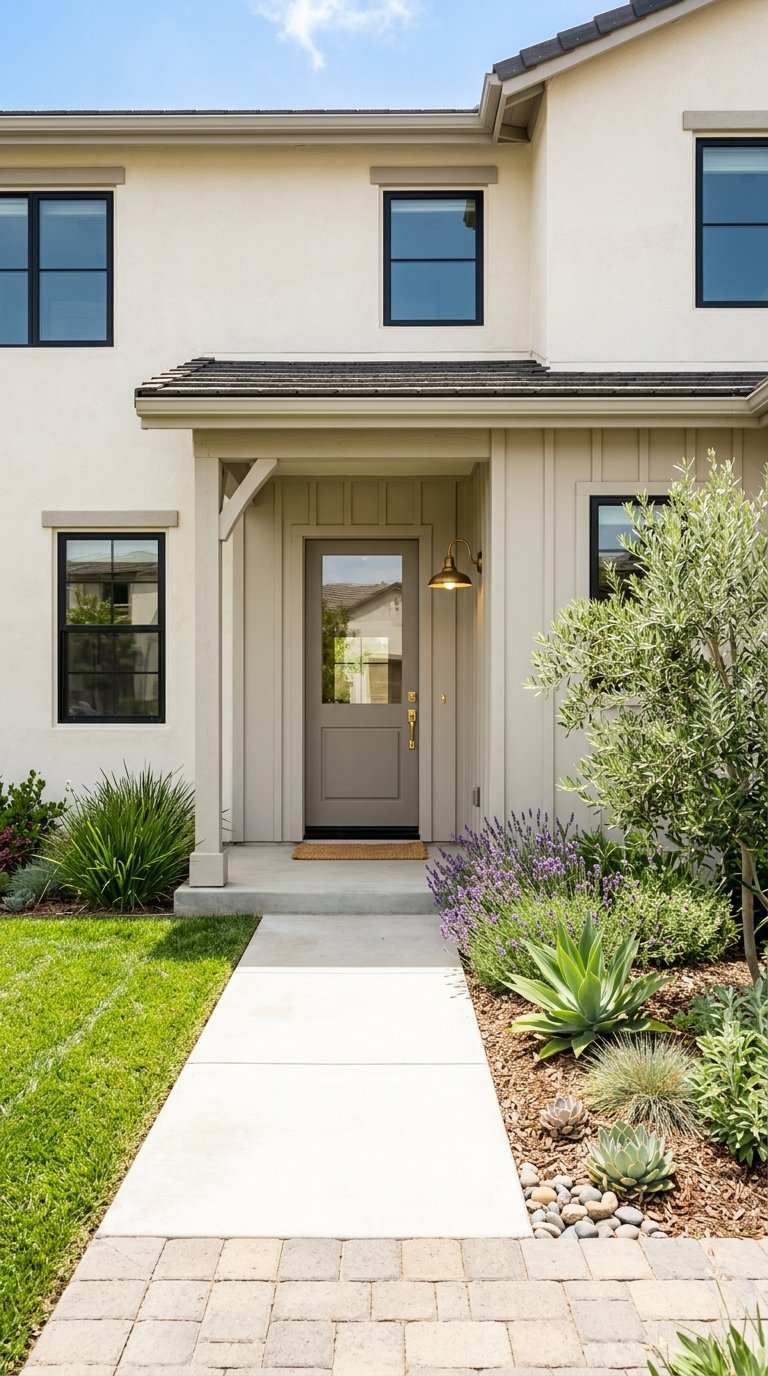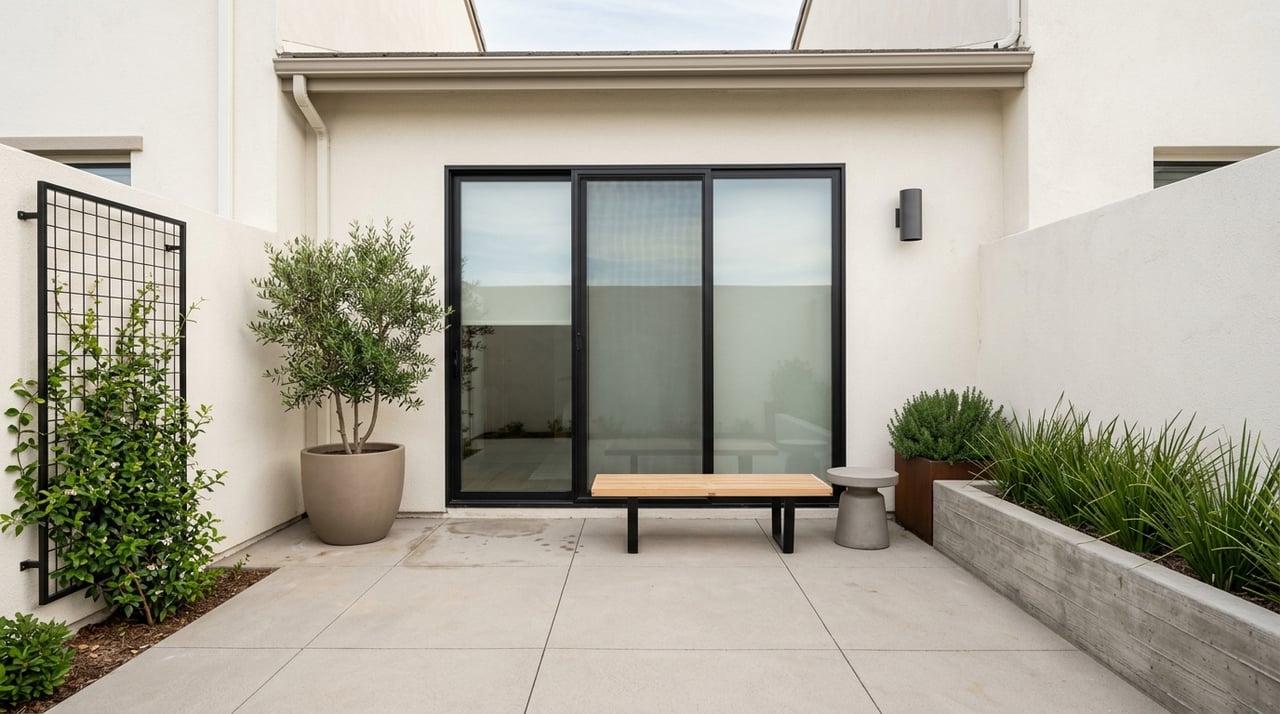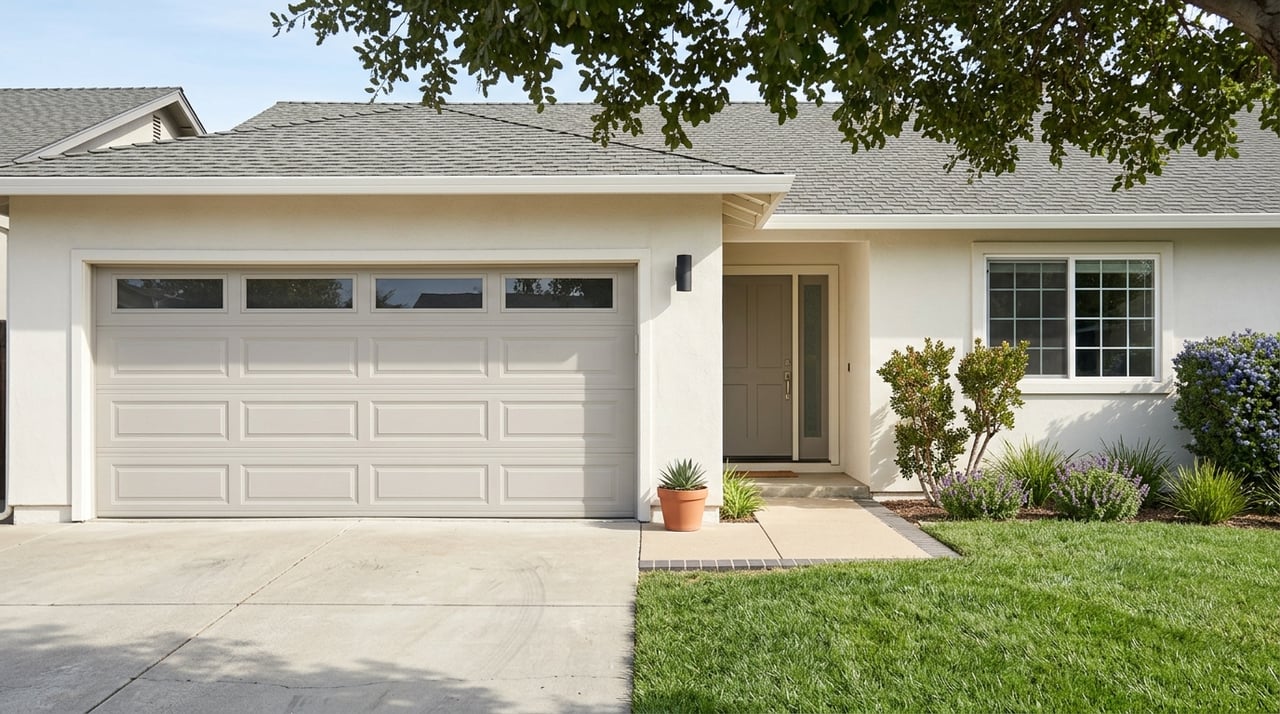
Stuck between a condo and a townhome in Santa Clara? You are not alone. Each option offers a different blend of price, maintenance, and flexibility, and the right choice depends on how you plan to live, finance, and protect your home. In this guide, you will get a simple framework to compare both options, local cost patterns, how lenders view each, what to look for in HOA documents, and a quick checklist to shop with confidence. Let’s dive in.
Condo vs. townhome basics
What a condo means in California
A condominium usually means you own the interior of your unit and share ownership of the building’s common areas, like the roof, hallways, and grounds. In California, condos fall under the Davis‑Stirling Common Interest Development Act, which also governs HOA disclosures and operations. You can review the statutory resale document list on the Civil Code §4528 page at Davis‑Stirling’s resource center.
What “townhouse” really means
“Townhouse” is often an architectural style rather than a fixed legal form. A home marketed as a townhouse in Santa Clara may be either:
- A fee simple home in a Planned Unit Development where you own the lot and structure, plus belong to an HOA, or
- A townhouse‑style condo where you own only the interior and the HOA owns the shell and land.
Because lenders and insurers treat these differently, verify the legal form in the vesting deed and CC&Rs. For a practical explanation of PUDs and why they matter for underwriting, see this overview of how lenders treat PUD ownership.
What you maintain and insure
Typical condo responsibilities
In many condo communities, you insure and maintain the interior of your unit, while the HOA’s master policy covers building exteriors, roofs, elevators, and common systems and amenities. Ask if the master policy is a “bare‑walls” policy, since that affects the scope of your personal HO‑6 condo policy. The Davis‑Stirling resource on statutory resale disclosures is a good checklist reminder to obtain insurance summaries.
For your unit, a standard HO‑6 policy typically covers interior finishes, personal property, liability, and loss assessment. You can learn more about coverage types in this guide to condo insurance basics.
Typical townhome responsibilities
If the townhome is legally fee simple within a PUD, you often own the structure and sometimes the exterior walls and private yard or patio. The HOA usually maintains shared areas like streets and parks, but exterior maintenance rules vary widely by project. That variation explains why some Santa Clara townhomes have lower dues while others look more like condos. Always confirm what the CC&Rs and plat maps say you own and maintain.
Earthquake coverage in the Bay Area
Many Bay Area owners consider separate earthquake insurance. The California Earthquake Authority explains options and deductibles for both condo and townhome owners. Review their guidance on earthquake coverage choices.
Santa Clara costs, sizes, and amenities
- HOA dues: Recent local MLS examples show condo dues commonly around 400 to 800 dollars per month, while townhomes often range around 350 to 650 dollars per month. Townhome dues can be lower when owners insure or maintain more of the structure. Always check the budget and insurance to see what is included.
- Sizes and layouts: Condos in Santa Clara often skew smaller with 1 to 2 bedrooms and may include elevators, gyms, or pools that increase dues. Townhomes frequently offer more bedrooms, attached garages, and a private patio, which may raise the purchase price but can lower shared-services costs depending on the project.
- City price context: As of early 2026, the city’s median sale price across all home types was about 1.7 million dollars. Condos and townhomes typically price below single‑family homes, but values vary by neighborhood, proximity to major employers, and amenities.
Financing: why the legal form matters
Condo project approvals
Many lenders require condo projects to meet project‑level standards, such as owner‑occupancy ratios, adequate reserves, insurance coverage, and low delinquency rates. If a project fails the review, some loan options may not be available or may require larger down payments. You or your lender can check status using Fannie Mae’s Condo Status Finder.
Townhomes treated as PUDs
If the home is fee simple within a PUD, lenders often underwrite it more like a single‑family home. That can mean fewer project‑level hurdles than condos. Because townhome labeling can be misleading, confirm the legal form before you rely on this advantage.
How HOA dues affect what you can borrow
Monthly HOA assessments count toward your debt‑to‑income ratio, which can reduce how much you qualify to borrow even if dues cover valuable services. This rule shows up in standard underwriting guidance, as noted in this summary of property and appraisal requirements.
Resale and rental rules to consider
Resale sensitivity in condos
Condo resale value can be more sensitive to HOA financial health, special assessments, and litigation. Lenders scrutinize projects with high delinquency, low reserves, or active construction‑defect cases, which can limit buyer financing. See Fannie Mae’s discussion of project review risk items to understand what lenders look for.
Townhomes and buyer demand
Fee‑simple townhomes in PUDs often attract buyers who want simpler refinancing paths and fewer project hurdles. Townhouse‑style condos keep the same project risks as condos. Again, the legal form is the key.
Rental and short‑term rental policies
- HOA rules: CC&Rs often set rental caps, minimum lease terms, and approval procedures. California law requires disclosure of rental restrictions in the resale package. You can reference the statutory resale document list on Civil Code §4528.
- City requirements: If you plan to host short‑term stays, confirm city rules on registration and taxes. Santa Clara’s finance department explains operator obligations in the Hotel Operator FAQ for TOT, CFD, and TID. Many HOAs limit or ban short‑term rentals regardless of city policy.
How to choose: lifestyle, numbers, and risk
A condo may fit if you want
- Lower entry price for the location you prefer.
- Lock‑and‑leave living with building and amenity maintenance handled by the HOA.
- Elevator access or on‑site amenities like a gym or pool.
What to watch: Project eligibility for your loan, HOA reserves and budgets, and master policy scope. Confirm whether earthquake coverage exists and what assessments you might share.
A townhome may fit if you want
- More space, a garage, and a private patio with fewer shared walls.
- Fewer project‑level lending hurdles if it is fee simple within a PUD.
- Greater control over your exterior or yard, depending on CC&Rs.
What to watch: Whether you maintain the exterior and roof, your insurance obligations, and any special assessments tied to streets, parks, or community facilities.
Buyer checklist: documents and details to request
Use this list before you remove contingencies. Many of these are required in California resale packages.
- Charges for Documents Provided form and itemized HOA document fees. Review the statutory form listed under Civil Code §4528.
- CC&Rs, bylaws, operating rules, and all amendments. Verify rental policies and maintenance responsibilities.
- Current budget, annual budget report, and reserve study or summary. Confirm percent funded and any planned special assessments. See the statutory overview of annual report requirements.
- Latest financials and delinquency report. Lenders flag projects with high delinquency rates. Fannie Mae discusses thresholds in the full review process.
- Insurance summary and master policy declarations, including deductibles and any earthquake or flood coverage. Review what your HO‑6 must cover using this condo insurance guide.
- Board and membership meeting minutes for the last 12 months to surface pending assessments, major repairs, or disputes. The disclosure list under Civil Code §4528 is your roadmap.
- Any active litigation or construction‑defect claims and settlements. Litigation can make projects ineligible with many lenders. See an overview of how project approval is affected by litigation.
- FHA, VA, or Fannie Mae approval status if you plan to use those programs. Check Fannie Mae’s Condo Status Finder.
- Property tax bill details, tax rate area, and any Mello‑Roos or special assessments. California sellers must disclose this; you can verify using county tax records and guidance cited in case law summaries.
Red flags to escalate
- Low reserves with big projects ahead, or a recent pattern of special assessments.
- HOA delinquency above common lender thresholds, repeated special assessments, or structural litigation.
- Master policy gaps that push major structural risk to owners without clear loss‑assessment limits.
- A seller or HOA that cannot provide the required statutory disclosures on request.
If you see any of the above, pause and get clarity with your agent, lender, and insurance advisor.
Next steps
Choosing between a condo and a townhome in Santa Clara comes down to your lifestyle priorities, what you want to maintain, and how your financing lines up with the project. If you would like a second set of eyes on HOA documents, a lender‑ready plan, and current comps by neighborhood, reach out to The Sidhu Team. We will help you compare options side by side and move forward with confidence.
FAQs
What is the legal difference between a condo and a townhome in California?
- A condo owner typically holds title to the unit interior plus a shared interest in common areas, while a townhome can be either fee simple within a PUD or a townhouse‑style condo; confirm the legal form in the CC&Rs and deed.
How do HOA fees affect my loan approval in Santa Clara?
- Lenders include monthly HOA dues in your debt‑to‑income ratio, which can reduce borrowing power, so compare dues and what they cover across buildings before you write an offer.
Do Santa Clara HOAs allow short‑term rentals?
- Many HOAs restrict or ban short‑term rentals, and the city requires registration and tax compliance for operators, so check both CC&Rs and the city’s TOT guidance before planning any STR use.
What insurance do I need for a condo in Santa Clara?
- Most condo owners carry an HO‑6 policy for interior finishes, personal property, liability, and loss assessment, while the HOA’s master policy covers common areas; confirm master policy scope and consider earthquake coverage.
How can I check if a condo is eligible for FHA or VA financing?
- Ask your lender to verify project eligibility or use tools like Fannie Mae’s Condo Status Finder; if a project is not approved, financing options may be limited or require different terms.
Are townhomes always easier to finance than condos?
- Not always; the advantage applies mainly when the townhome is fee simple within a PUD, so verify the legal classification since townhouse‑style condos still face condo project reviews.