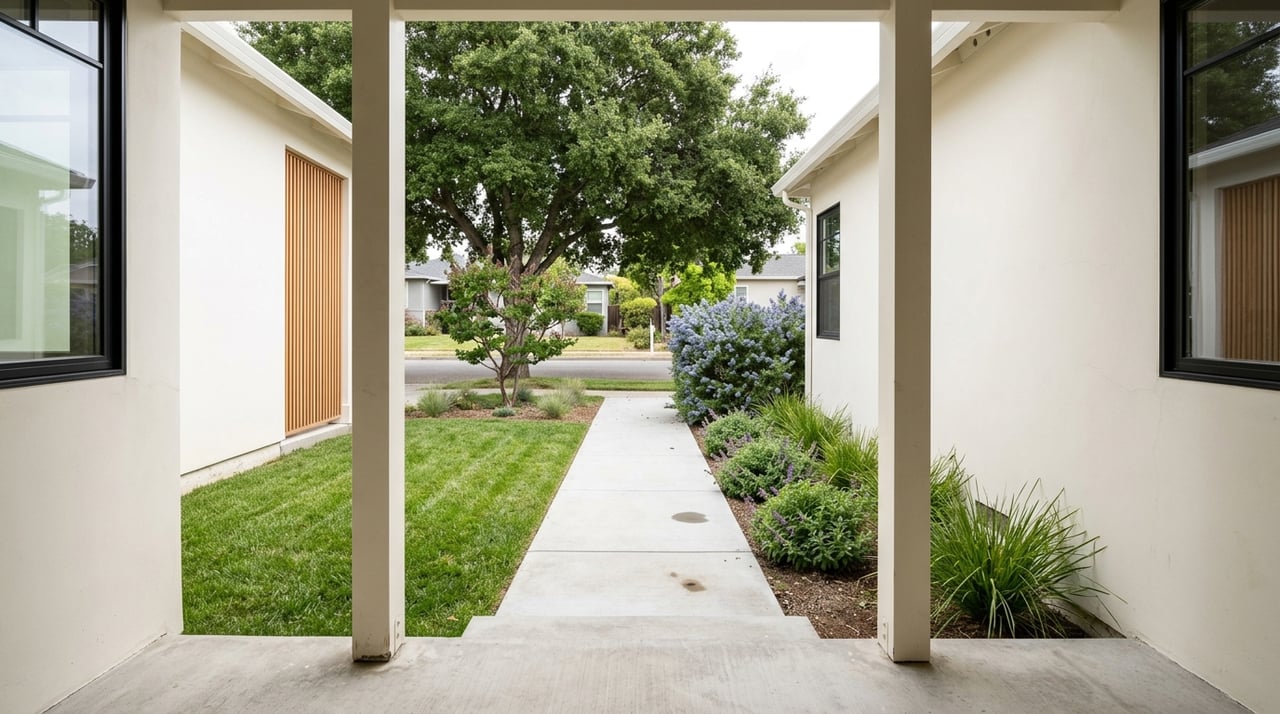
If you are thinking about a move to Sunnyvale, daily life often matters just as much as square footage or commute time. You want to know what it feels like to spend a Saturday morning there, where you might go for a walk, and whether the city offers a steady, easy rhythm beyond work. This guide walks you through Sunnyvale’s parks, downtown dining areas, community spaces, and housing mix so you can picture everyday living more clearly. Let’s dive in.
Why Sunnyvale Feels Easy to Live In
Sunnyvale covers about 22 square miles and has a population of roughly 159,673 residents. The city describes itself as a mild, sunny place with a mix of technology employers, quiet residential areas, and access to larger metro amenities.
That balance shows up in everyday routines. You have local parks, a public library open seven days a week, recreation classes and programs, and a downtown area that regularly hosts events. Instead of feeling like a place built for one purpose only, Sunnyvale offers several ways to spend your time close to home.
Transit also supports that convenience. The Sunnyvale Caltrain station connects with VTA bus routes 20, 21, 53, 55, and Rapid 523, giving you another option for getting around the region beyond driving.
Parks Shape Daily Routine
One of the biggest quality-of-life advantages in Sunnyvale is its park system. The city reports 772 acres of parks and open space, with 27 parks overall, and many neighborhood parks include picnic areas, playgrounds, and sports fields.
For day-to-day living, that means outdoor time can fit naturally into your schedule. Whether you want a quick walk after work, a place for a weekend picnic, or room to stretch out with family and friends, the city’s parks create a practical backdrop for daily life.
The city also notes that trails connect parks, schools, creeks, neighboring communities, and trails along the San Francisco Bay. Most neighborhood parks are open from sunrise to sunset, which makes them easy to use for both morning and evening routines.
Baylands Park Stands Out
If you want a more nature-focused outing, Baylands Park is one of Sunnyvale’s signature spots. The city says it includes more than 70 acres of developed parkland, 105 acres of protected wetlands, access to the San Francisco Bay Trail, reservable picnic sites, and an amphitheater area.
That mix gives Baylands Park a different feel from a typical neighborhood park. It can work for a longer weekend outing, a scenic walk, or a planned get-together that feels a little more open and connected to the Bay landscape.
One practical note matters here. The city states that pets are not allowed at Baylands Park, so it helps to plan ahead if you usually bring a dog along for outdoor time.
The Community Center Adds More Than Recreation
The Sunnyvale Community Center plays a big role in the city’s daily rhythm. It includes performing and creative arts spaces, indoor sports, a senior center, and a historical museum, all set around a pond and fruit orchards.
This makes the area feel more like a civic campus than a single building. It is the kind of place that supports different routines at once, from classes and events to quiet walks around the grounds.
The city also notes that the Heritage Orchard connected to the site has been cared for under contract since 1977. That detail adds to the sense that Sunnyvale values both active community use and local continuity.
Downtown Sunnyvale Brings Energy
When people talk about the social side of Sunnyvale, downtown usually comes up first. The city describes Downtown Sunnyvale as an approximately 150-acre mixed-use district bounded by the Caltrain tracks, Carroll Street and Bayview Avenue, Olive Avenue and El Camino Real, and Charles Street.
Within that area, several subdistricts help shape the experience, including Historic Murphy Avenue, the Downtown Core, Plaza del Sol, and Redwood Square. Together, they create a center that feels more layered than a simple commercial strip.
Murphy Avenue Feels Like A Main Street
Murphy Avenue is one of the clearest examples of Sunnyvale’s local rhythm. The city describes it as a popular dining and entertainment destination, and the 100 block is being converted into a pedestrian mall to support outdoor dining.
That matters because it changes how downtown functions. Instead of being somewhere you only pass through, it becomes a place where you can slow down, meet friends, grab coffee, and spend time outside.
The current Murphy Avenue directory shows a practical, everyday mix of businesses. You will find coffee shops, dessert and bubble-tea spots, Burmese food, chai cafés, and other small businesses that help the area feel like a neighborhood main street.
Cityline Adds A Newer Layer
Cityline brings another dimension to downtown Sunnyvale. The city says this 36-acre project is planned for retail, dining, entertainment, residential, and office uses, while Cityline’s neighborhood page highlights a 40,000-square-foot park under redwood trees.
For residents, that creates a more modern mixed-use environment alongside the older character of Murphy Avenue. It adds variety to how downtown feels and gives people more than one style of gathering place within the same part of the city.
Community Events Keep The Calendar Full
A city feels different when there are regular reasons to get out and participate. In Sunnyvale, community programming helps create that ongoing rhythm throughout the year.
According to the city’s special events calendar, local events include the July 4th Festival, Sunset Movie Series, State of the City, Tech Business Expo, Hands on the Arts Festival, and winter holiday events. The city hosts these events on its own and in partnership with the Downtown Association and Sunnyvale Chamber of Commerce.
These events give downtown and civic spaces an active public life. Even if you do not attend everything, the steady presence of events can make a city feel more connected and easier to plug into over time.
The Library Is Part Of Daily Life
Sunnyvale’s public library is open seven days a week, which already makes it a useful anchor for everyday routines. But it also offers recurring programs that go beyond book lending.
The library calendar includes storytimes, ESL conversation groups, sewing labs, bike safety workshops, repair café programming, and other events for both adults and families. That range adds another layer to daily living because it gives you practical, low-key ways to engage with the community.
Farmers Market And Weekend Rhythm
The Sunnyvale Farmers’ Market helps define the city’s weekend pace. It runs on Saturdays from 9 a.m. to 1 p.m. on Murphy Avenue.
Markets often do more than provide produce. They create a repeatable routine, a reason to head downtown, and a natural way to combine errands with coffee, lunch, or a walk through the area.
For many buyers, this is the kind of detail that makes a place feel livable. It is not just about major attractions. It is about whether the city offers small, reliable rituals that fit real life.
Housing In Sunnyvale Is Mixed
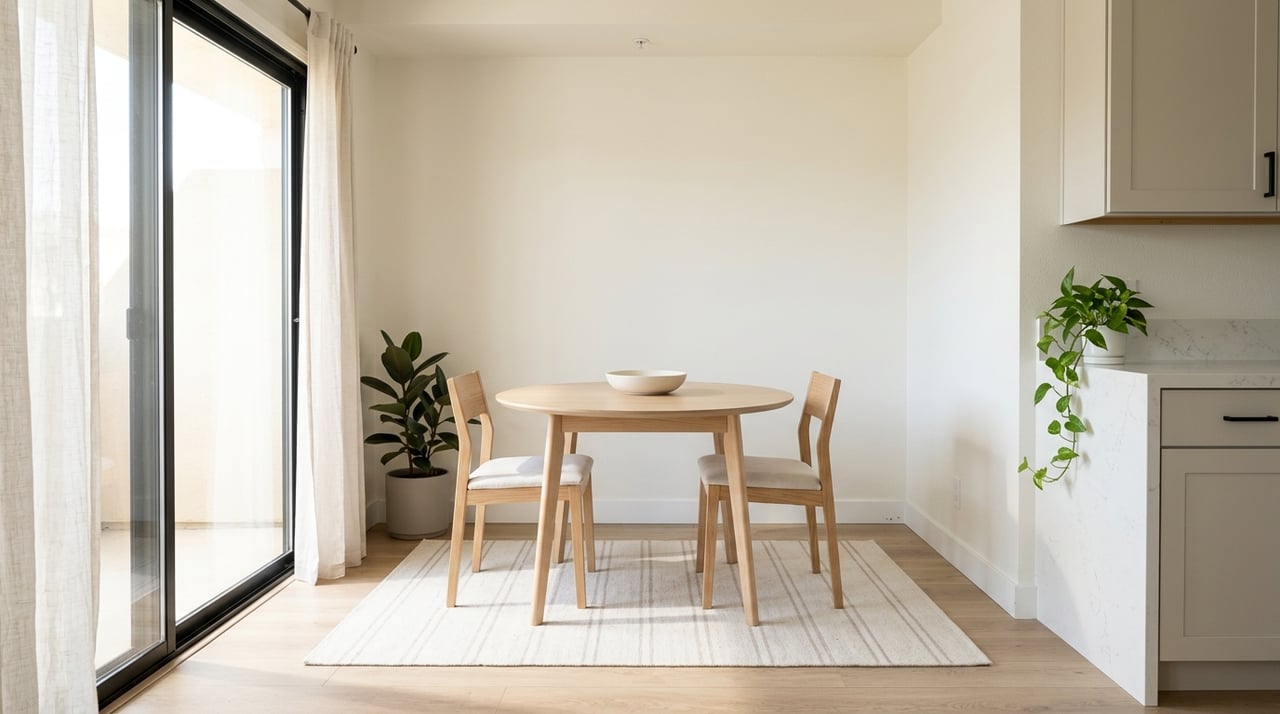
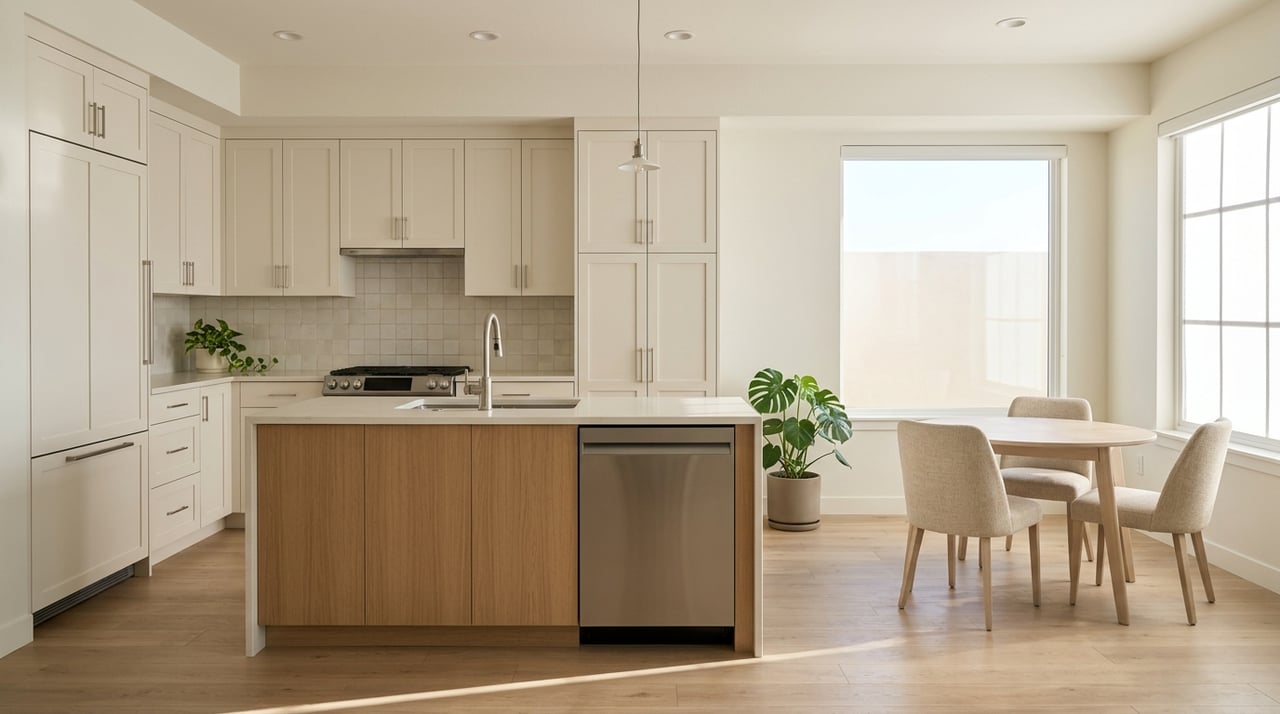
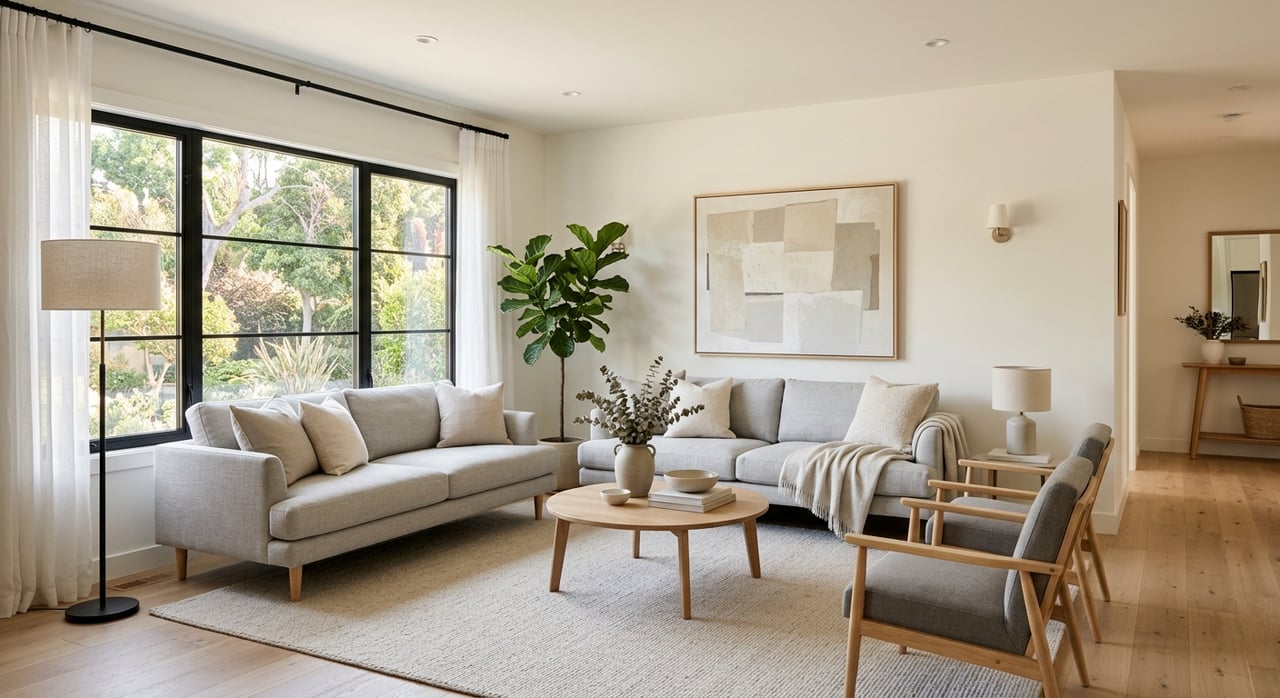
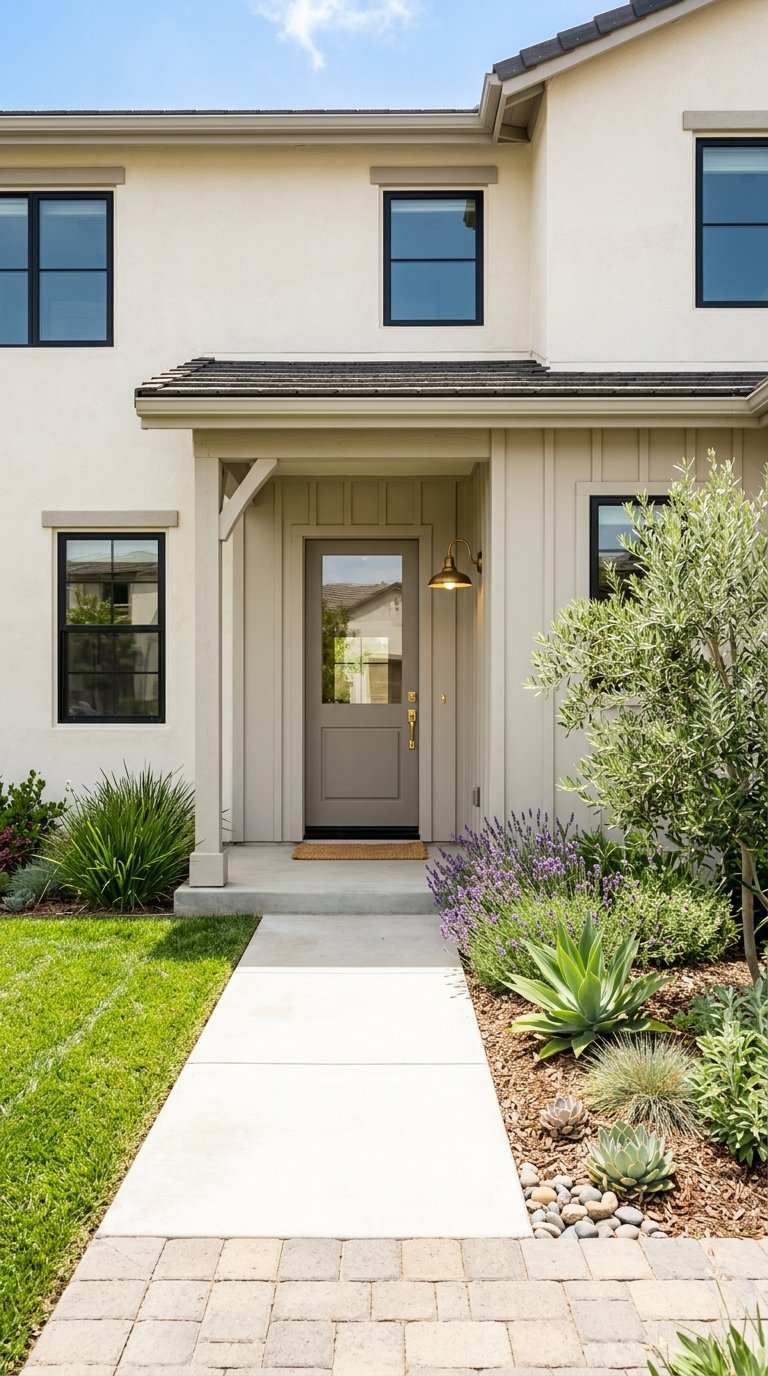
Sunnyvale does not follow a single housing pattern. In its 2025-2030 Consolidated Plan, the city reports 61,808 housing units, with single-family homes making up 36% of the housing stock and multifamily buildings with 20 or more units making up 24%, along with a notable share of townhomes.
That mix is important if you are exploring the city as a buyer. It means you can find different types of living environments, from lower-rise residential streets to more compact housing and mixed-use areas near downtown.
The city also allows ADUs on single-family and multifamily lots and maintains design guidelines for single-family, Eichler, and heritage areas. That reflects a housing landscape with both established character and ongoing adaptation.
Older Character And Newer Nodes
If you want a sense of older Sunnyvale, the Heritage District offers one of the clearest examples. The city says it is the oldest residential area in Sunnyvale, with 69 historic homes or streetscapes and four of the city’s eight national landmarks.
The city also states that most of the district’s single-family homes are modest, single-story bungalows from the 1930s through the 1950s, with some condominium options mixed in. That gives part of Sunnyvale a more established, historic feel than you might expect in a Silicon Valley city.
At the same time, downtown and Cityline represent a denser, more mixed-use side of the market. Taken together, Sunnyvale offers a blend of older low-rise neighborhoods, updated residential streets, and more urban-style nodes near its center.
What Everyday Living Really Feels Like
Sunnyvale’s appeal is not just one standout feature. It is the way several practical pieces fit together, including parks, civic spaces, dining corridors, transit connections, and a housing stock that gives you more than one lifestyle option.
You can imagine a routine here pretty easily. A weekday might include Caltrain access, an evening stop at a neighborhood park, or a library program. A weekend might mean Baylands Park, the farmers market, or dinner on Murphy Avenue.
That kind of rhythm is often what turns a city from a search area into a real contender. If you are comparing South Bay locations, Sunnyvale stands out for being active without feeling overwhelming and convenient without feeling one-note.
If you are considering a move in Sunnyvale or elsewhere in the Bay Area, working with a team that understands how lifestyle, housing stock, and neighborhood character fit together can make your search much clearer. Connect with The Sidhu Team to explore your options with local guidance that is practical, responsive, and tailored to your goals.
FAQs
What is everyday life like in Sunnyvale, CA?
- Everyday life in Sunnyvale blends neighborhood parks, downtown dining, community events, library programming, and regional transit access, giving you a mix of convenience and activity.
What parks are popular in Sunnyvale, CA?
- Sunnyvale has 27 parks and 772 acres of parks and open space, and Baylands Park is one of its best-known destinations for wetlands, Bay Trail access, picnic areas, and open views.
What is downtown Sunnyvale, CA known for?
- Downtown Sunnyvale is known for Murphy Avenue dining and entertainment, mixed-use development, community events, and the Saturday farmers market.
Does Sunnyvale, CA have public transit options?
- Yes. Sunnyvale has a Caltrain station that connects with VTA bus routes 20, 21, 53, 55, and Rapid 523.
What kinds of homes are found in Sunnyvale, CA?
- Sunnyvale has a mixed housing stock that includes single-family homes, townhomes, condos, and larger multifamily buildings, with both older residential areas and denser mixed-use zones near downtown.
What is the Heritage District in Sunnyvale, CA?
- The Heritage District is the city’s oldest residential area and includes historic homes or streetscapes, with many modest single-story bungalows dating from the 1930s through the 1950s.