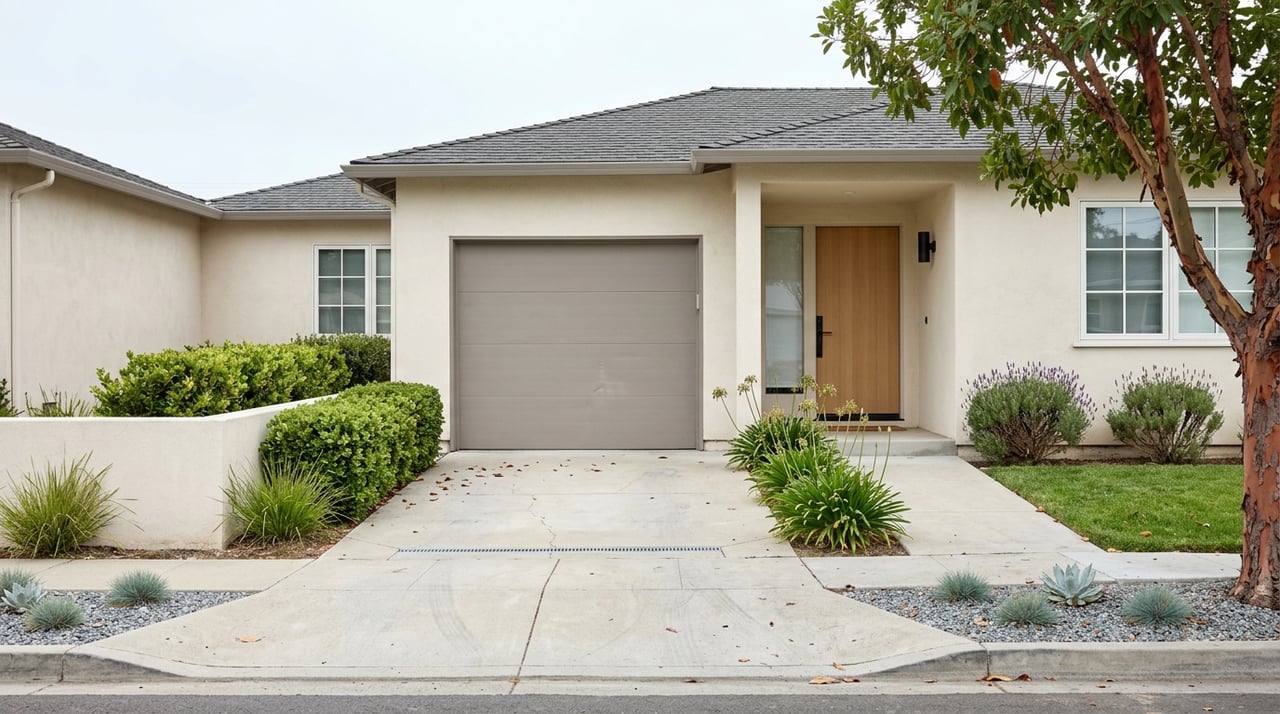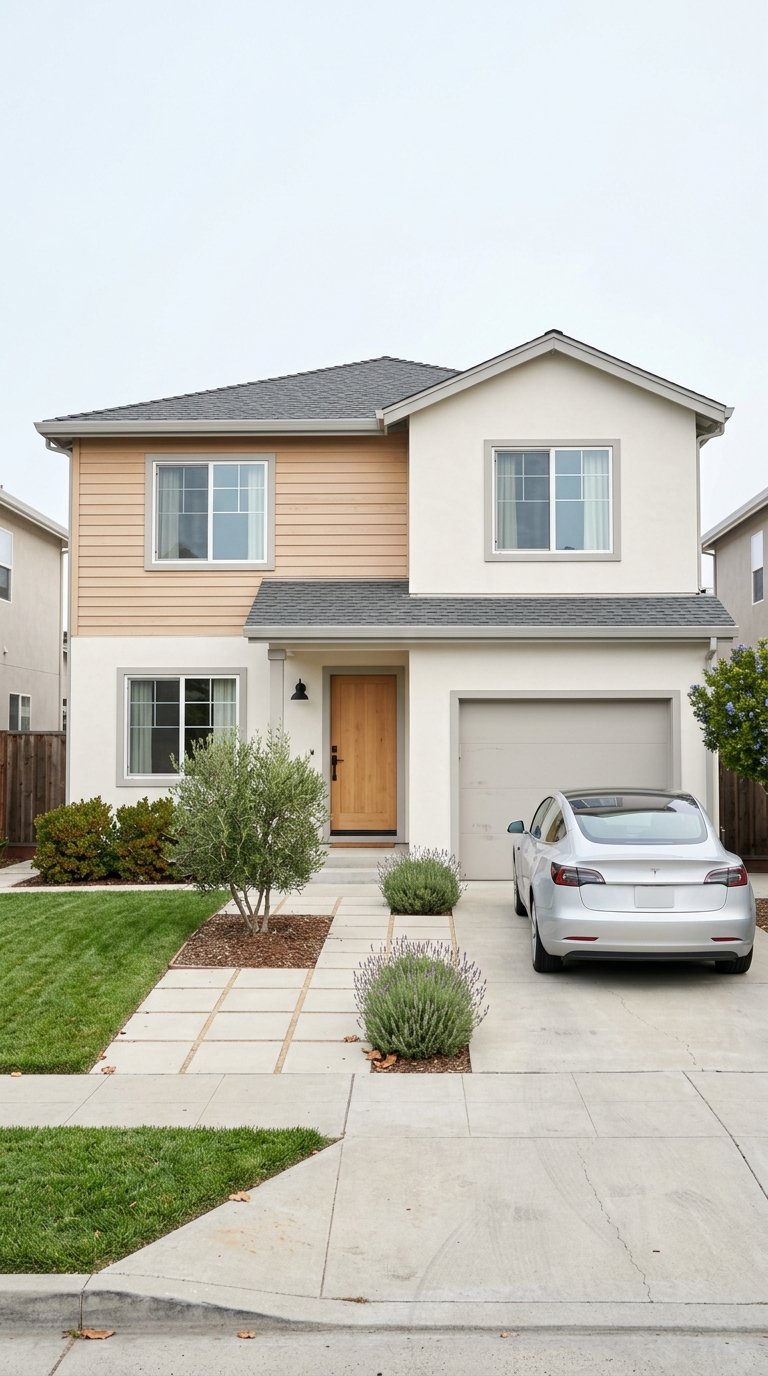
If your work week pulls you toward San Francisco, the Peninsula, or even the East Bay, where you live can shape your entire routine. South San Francisco stands out because it gives you more than one way to commute, while still offering parks, trails, shopping, and a growing mix of housing. If you are trying to balance access, lifestyle, and budget on the Peninsula, this guide will help you understand what to expect. Let’s dive in.
Why South San Francisco Appeals to Commuters
South San Francisco is built around connectivity. The City describes it as being at the crossroads of San Francisco and Silicon Valley, about 10 miles south of San Francisco and next to San Francisco International Airport.
That location matters if your job, clients, or daily schedule takes you in different directions. You are not locked into one commute pattern, which is a big advantage for buyers who split time between San Francisco, the Peninsula, and South Bay job centers.
The city also has a strong employment base of its own. According to the City, more than 25,000 people work for over 250 biotech companies in South San Francisco, especially in the life-science cluster east of Highway 101.
For many buyers, that creates flexibility. You might work locally now, shift offices later, or need access to multiple business hubs over time, and South San Francisco can support that kind of change.
Transit Options in South San Francisco
If you want alternatives to driving every day, South San Francisco offers a strong mix of transit choices. The city’s transportation network includes BART, Caltrain, SamTrans, a free local shuttle, and ferry access from Oyster Point.
BART for Daily Bay Area Travel
The South San Francisco BART station is a major commuter anchor. Official station information notes parking, bike racks, on-demand BikeLink lockers, and connections to the City’s free South City Shuttle.
That setup can make a real difference in your morning routine. If you prefer a transit-based commute, BART gives you a direct option while still allowing for park-and-ride or bike-to-station flexibility.
Caltrain for Peninsula Access
Caltrain is another key part of the local commute picture. The South San Francisco Station Improvement Project added a fully accessible station, a center-boarding platform, a new pedestrian underpass, and a West Plaza designed to improve downtown access.
For buyers who work along the Peninsula corridor, that is a meaningful benefit. It also reinforces downtown South San Francisco as one of the city’s clearest transit-oriented areas.
Free South City Shuttle Connections
The City’s free South City Shuttle runs Monday through Friday, excluding city-observed holidays. The City says it has three routes and connects riders to local stores, senior centers, Kaiser Hospital, the Library | Parks & Recreation Center, downtown, parks, SamTrans, BART, and Caltrain.
This is one of those local features that can make day-to-day life easier. It adds another layer of convenience for errands, appointments, and station access without always needing your car.
Ferry and Freeway Access
For some commuters, Oyster Point adds another option. The City says San Francisco Bay Ferry connects the Oyster Point life-sciences area with Oakland and Alameda.
If you drive, South San Francisco also sits along US 101 and I-280. That gives you practical road access when your commute changes by the day or when transit is only part of your routine.
Everyday Lifestyle Beyond the Commute
A commuter-friendly city still needs to feel livable when you are off the clock. South San Francisco offers a mix of outdoor space, civic amenities, and local destinations that support everyday routines and weekend downtime.
The City describes the local climate as mild in winter and dry and cool in summer, with hills that help reduce some of the fog seen in nearby areas. For many buyers, that adds to the city’s appeal compared with more coastal-feeling spots.
Parks and Trails to Know
Sign Hill is one of South San Francisco’s best-known outdoor features. The City describes it as a 65-acre park with nearly two miles of trails, bay views, and habitat for the federally endangered mission blue butterfly.
If you want quick access to open space without leaving town, Sign Hill is worth noting. It gives the city a more active, outdoors-connected feel than some buyers expect from a commuter hub.
Centennial Way is another useful local amenity. The City says South San Francisco’s portion of this linear park and trail will run three miles through the center of town from the South San Francisco BART Station to the San Bruno BART Station.
That trail connection supports both recreation and practical movement through the city. It is the kind of feature that can make nearby housing feel more connected to daily life.
Civic and Community Amenities
The Library | Parks & Recreation Center is a major local amenity. The City says this 80,000-square-foot building opened in 2023 and includes a 1.3-acre park connected to Centennial Way Trail.
This matters because homebuying is not only about the house itself. Buyers often look for cities with useful, well-maintained public spaces that support everyday life, and South San Francisco has continued investing in that experience.
The City also highlights places like Orange Memorial Park and Swimming Pool, Oyster Point Marina, the Farmers’ Market, the Basque Cultural Center, San Francisco Wine School, and Westborough Shopping Center. Downtown revitalization efforts are also focused on local merchants, parking, community spaces, breezeways, and events.
Together, those features help create a lifestyle that is practical during the week and enjoyable on weekends. You have options for errands, recreation, and getting out of the house without planning a major trip.
What the Housing Market Looks Like
South San Francisco remains a high-cost market, but it can still be a more attainable Peninsula option than some nearby cities. Current market snapshots show an average home value around $1,238,304 and a median list price near $1,175,000, with 64 homes for sale as of April 30, 2026.
Market pace is also fairly quick. Zillow reports about 14 days to pending, while Realtor.com shows a median of 26 days on market.
That does not mean every home moves the same way. It does mean you should expect competition for well-positioned listings, especially if they match common commuter priorities like transit access, condition, or practical layout.
Condos and Attached Homes
Attached housing is often the most approachable entry point in South San Francisco. Zillow shows 19 condo listings with prices ranging from about $550,000 to $1,199,000, with many examples in the roughly $700,000 to $950,000 range.
For buyers who want Peninsula access without stretching into detached-home pricing, condos and townhome-style options can offer a more realistic path. This can be especially useful if your top priorities are commute convenience and lower-maintenance living.
Single-Family Homes
Detached homes sit notably higher. Zillow’s single-family snapshot shows 17 listings ranging from about $899,000 to $2,300,000, with many homes around $1.05 million to $1.7 million.
That spread gives you some room to compare tradeoffs. You may find yourself choosing between location, lot size, condition, and commute convenience depending on your target budget.
Neighborhood Price Differences Matter
One of the more useful things about South San Francisco is that price points vary inside the city. Zillow’s home-value pages place Old Town at about $1.10 million, Westborough at about $1.18 million, Sunshine Gardens at about $1.21 million, Sign Hill at about $1.29 million, and Terrabay at about $1.59 million.
There are also lower-value readings in some areas, with Zillow’s single-family neighborhood snapshot showing Sullivan Corridor at about $601,000. That kind of range can matter if you are trying to stay on the Peninsula while still matching a specific monthly payment target.
This is where local guidance becomes especially helpful. Two homes in the same city can offer very different commute patterns, upkeep needs, and long-term fit depending on where they sit and what type of property they are.
Housing Growth and Future Supply
South San Francisco is not standing still. The City says more than 1,500 new housing units have been built since 2015, with most clustered in historic downtown and served by the renovated Caltrain station.
That detail is especially relevant for buyers who want a more transit-oriented setup. It suggests that downtown has become one of the strongest places to look if you want newer housing tied closely to rail access.
The City also says 818 housing units are under construction or recently completed, and South San Francisco was designated a pro-housing community by the California Department of Housing and Community Development in 2023. While that does not automatically make the market easy, it does signal ongoing housing activity and change.
How to Buy Smart as a Commuter
If South San Francisco is on your shortlist, it helps to think beyond headline price. The better question is how the home supports your actual weekly routine.
Start by looking at these factors:
- Your most common commute route and backup options
- Distance to BART, Caltrain, shuttle stops, or freeway access
- Whether you want condo convenience or single-family space
- How often you use parks, trails, shopping, and civic amenities
- Whether you want a downtown, hillside, or more residential setting
A home that looks great online may not fit your day-to-day life once commute time, parking, or neighborhood layout come into the picture. For many buyers, the best decision comes from comparing lifestyle efficiency, not just square footage.
Why South San Francisco Stays on Buyer Shortlists
South San Francisco works because it combines practical access with real day-to-day livability. You get a city positioned between major job centers, multiple transportation options, outdoor spaces like Sign Hill and Centennial Way, and a housing mix that spans attached and detached options.
It is still an expensive market by broader standards, but it can offer a more reachable Peninsula entry point than some nearby cities. If your goal is to stay connected to work without giving up local amenities and flexibility, South San Francisco deserves a closer look.
Whether you are relocating across the Bay Area or narrowing down Peninsula options, having a clear plan around budget, commute patterns, and housing type can help you move with confidence. If you want guidance comparing South San Francisco with other Peninsula and East Bay options, The Sidhu Team can help you map out the right fit for your lifestyle and goals.
FAQs
Is South San Francisco good for Bay Area commuters?
- Yes. South San Francisco offers access to BART, Caltrain, SamTrans, the free South City Shuttle, ferry service from Oyster Point, and major roads like US 101 and I-280.
What is the South San Francisco lifestyle like for homebuyers?
- Daily life combines commuter convenience with local amenities like Sign Hill, Centennial Way, the Library | Parks & Recreation Center, Orange Memorial Park, Oyster Point Marina, and downtown shopping and dining areas.
What home prices should buyers expect in South San Francisco?
- Current market snapshots show a median list price of about $1.18 million. Condos range from about $550,000 to $1,199,000, while many single-family homes range from about $1.05 million to $1.7 million, with some higher.
Are there transit-oriented housing areas in South San Francisco?
- Yes. The City says most of the more than 1,500 housing units built since 2015 have clustered in historic downtown, an area served by the renovated Caltrain station.
Does South San Francisco have outdoor space and trails?
- Yes. Sign Hill offers 65 acres and nearly two miles of trails, and Centennial Way creates a trail corridor through the center of town linking key parts of the city.
How does South San Francisco compare with nearby Peninsula markets?
- Current market snapshots suggest South San Francisco is generally priced below places like San Mateo and Millbrae, while reading more similarly to San Bruno and Daly City, though it remains expensive by Bay Area standards.