Should you invest in updates before you sell your Fremont home, or list it as-is and let buyers handle improvements? It is one of the most common and stressful decisions sellers face. You want a strong sale price without wasting time or money on the wrong projects. In this guide, you will learn which updates matter most in Fremont and the wider Oakland–Hayward–Berkeley metro, how to plan permits and disclosures, and ways to fund prep work without upfront cash. Let’s dive in.
How Fremont’s market shapes renovation choices
Fremont sits in a high-cost East Bay market where many buyers value move-in-ready homes, especially in mid- to upper-tier price bands. Commuting access, local amenities, and neighborhood demand influence how much buyers will pay for turnkey condition. In some areas, such as parts of Mission San Jose or Irvington, you may recover more of your update costs because buyer demand is strong.
Your best guide is a recent comparative market analysis. Look closely at the condition of similar homes that sold nearby and how long they took to sell. If most comps are updated, buyers will expect that condition and price accordingly. If local comps are as-is or lightly refreshed, a full remodel may not deliver a strong return.
High-impact updates with strong ROI
Small, targeted improvements often outperform big, time-consuming renovations. Focus on what buyers notice first, what photographs well, and what could trigger repair negotiations.
Paint and light repairs
Fresh, neutral interior paint lifts photos and brightens rooms. It also corrects scuffs and wear that can hurt first impressions. Add minor repairs, deep cleaning, and decluttering to make spaces feel larger and well cared for.
- Prioritize main living areas, kitchens, and hallways.
- Plan 1 to 2 weeks for prep, painting, and dry time.
- Use cohesive, neutral colors to appeal to a broad buyer pool.
Floors: refinish or replace
Clean, continuous flooring helps buyers perceive better flow and quality. If you have hardwood in decent shape, refinishing typically costs less than full replacement. If carpet is worn or mismatched flooring breaks up rooms, consider replacement to unify the look.
- Refinishing can take 3 to 7 days plus cure time.
- Replacement timelines often run 1 to 2 weeks, depending on scope.
- Address trip hazards and visible damage that could distract buyers.
Kitchen: refresh vs full remodel
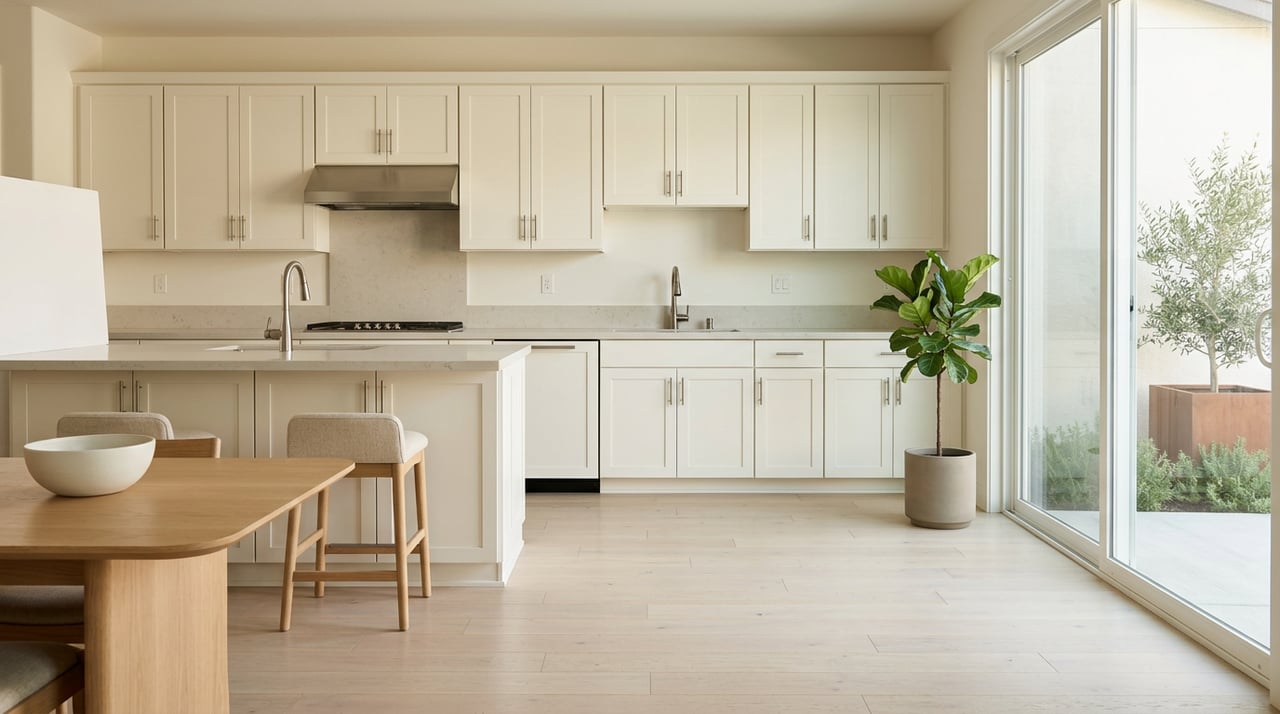
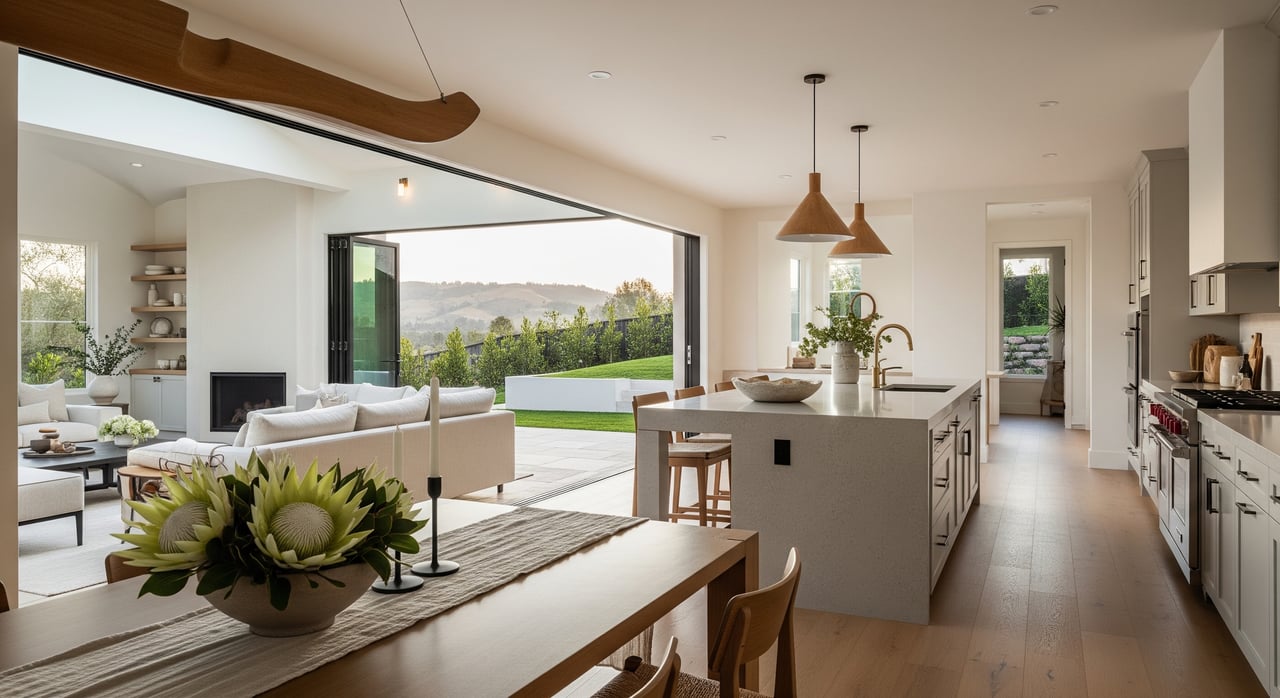
A full kitchen remodel in the Bay Area is costly and can take months. For most sellers, a targeted refresh delivers better short-term results. Think painted cabinets, new hardware, modern lighting, upgraded countertops, and a clean backsplash.
- A refresh often fits in 1 to 2 weeks, while a full remodel can run 6 to 12 weeks or more.
- Focus on visible surfaces and functional updates buyers will use immediately.
- Consider a larger remodel only if your comps consistently show high-end, remodeled kitchens at your target price.
Bathrooms buyers notice
Bathrooms make a big impression without requiring a full gut. Cosmetic updates like a new vanity, fixtures, mirrors, lighting, re-grouting tile, and fresh caulk can feel like a big leap in quality.
- Cosmetic work often fits in 1 to 2 weeks.
- Major layout or plumbing changes can take 4 to 8 weeks and generally require permits.
- Fix leaks and water damage to avoid inspection issues later.
Curb appeal that sells
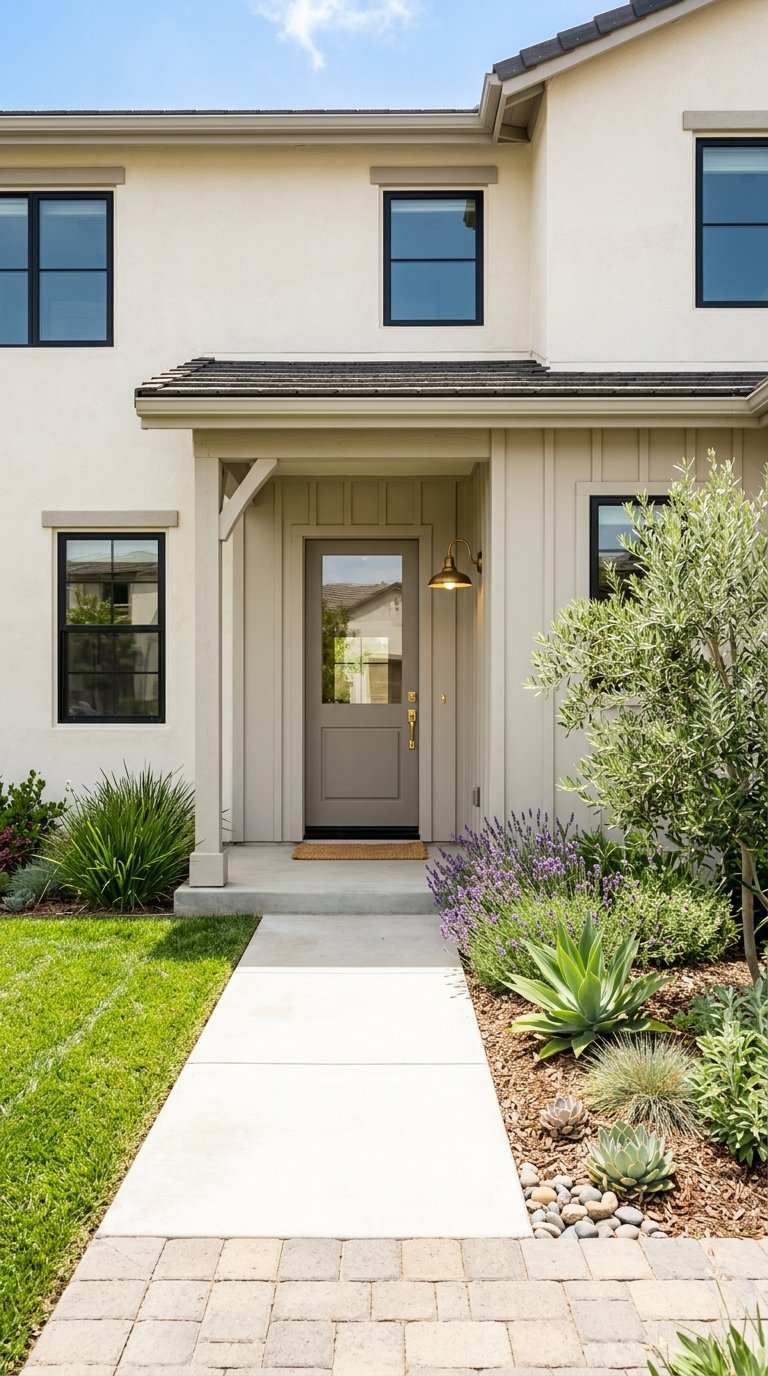
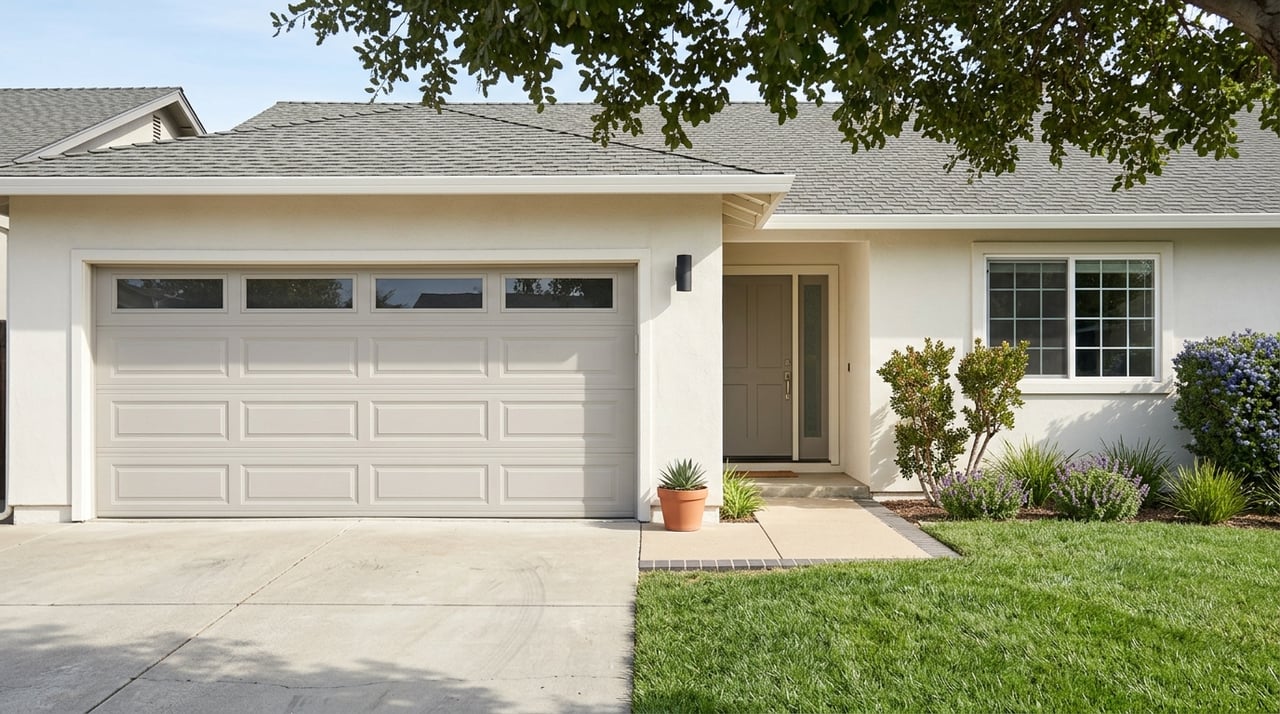
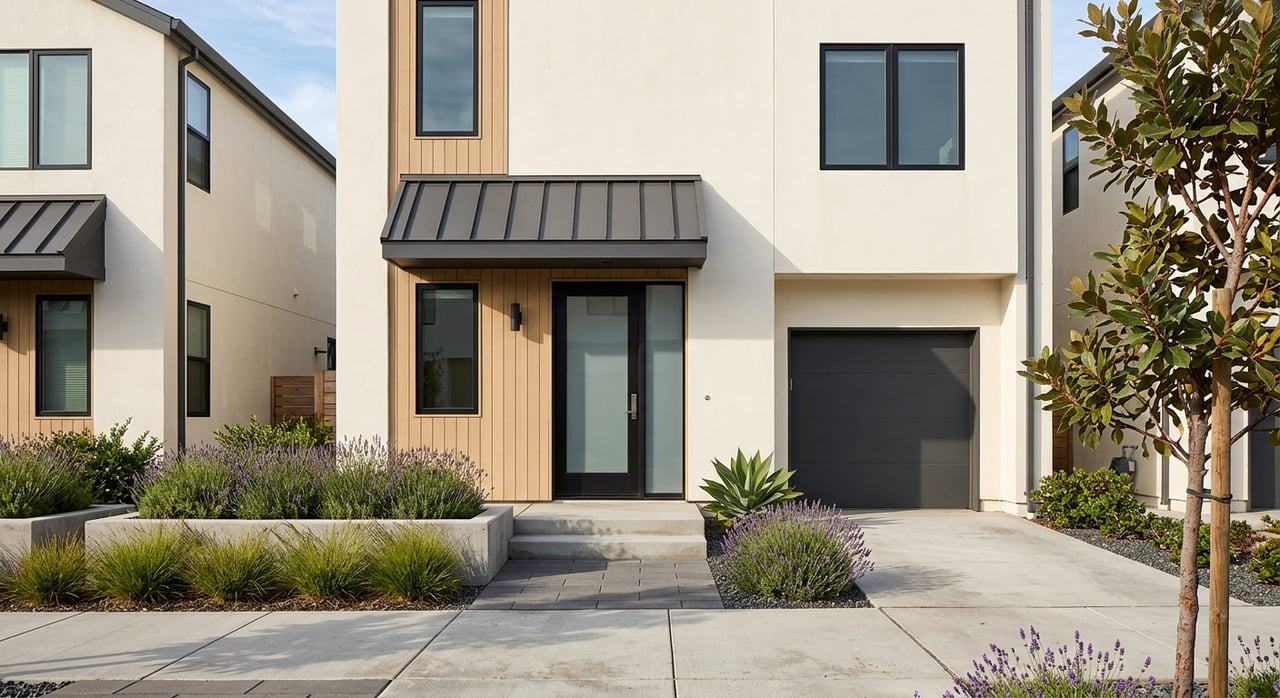
First impressions happen online and at the curb. Basic landscaping, a clean entry, and a fresh front door color can lift buyer interest quickly.
- Trim hedges, add fresh mulch, and plant seasonal color.
- Power-wash walkways and siding where appropriate.
- Update house numbers, exterior lights, and the mailbox for a cohesive look.
Systems buyers scrutinize
Buyers and inspectors look closely at roofs, HVAC, water heaters, and visible electrical or plumbing issues. If a system is near end-of-life, you can repair it, replace it, or offer a credit. The right choice depends on your comps, budget, and timeline.
- Get advice on whether replacement will reduce surprises in escrow.
- Factor in permit requirements for HVAC and water heater work.
- Keep invoices, permits, and warranties organized for buyer review.
What to permit and disclose in Fremont
Understanding local rules helps you avoid delays and last-minute negotiations. In Fremont and Alameda County, cosmetic work usually proceeds without permits, but structural or systems work often needs approval.
When you need a permit
You typically do not need permits for painting, replacing carpet, or swapping cabinet hardware. You generally do need permits for structural changes, major electrical or plumbing work, additions, and many HVAC installs. The City of Fremont Building Division is the local authority for permit triggers and timelines.
- Ask contractors to confirm permit needs in writing.
- Build time for permit reviews and inspections into your schedule.
- Keep all permit numbers and final sign-offs for your disclosure package.
Disclosures California sellers must plan for
California requires a Transfer Disclosure Statement and other forms that describe the property’s condition and known issues. If you know of unpermitted work, disclose it. Surprises discovered in escrow can slow or derail a sale.
- Consider a pre-listing inspection if you worry about hidden defects.
- Provide receipts and warranties for repairs or replacements completed before listing.
- Discuss termite or wood-destroying organism reports with your agent, especially for older homes.
HOA or historic considerations
If you live in an HOA or a historic area, there may be rules about exterior changes. Check guidelines early to avoid rework. Confirm paint colors, landscaping choices, doors, or window styles before scheduling work.
Staging vs renovation vs selling as-is
The right approach depends on your comps, target list price, time horizon, and budget. Use your agent’s market data to prioritize.
- If your home is similar to neighborhood comps but a bit dated, focus on paint, floors, lighting, minor repairs, curb appeal, and professional staging.
- If you are targeting a higher price tier and local comps show remodeled kitchens and baths, a targeted refresh or selective remodel may be justified.
- If you need speed or have limited cash, staging, photos, and a light cosmetic plan usually deliver strong results in less time.
- If there are major roof, mechanical, or structural concerns, address them or prepare to disclose and price accordingly.
Staging helps buyers visualize how to use each space. Focus on main living areas and the primary suite first. Virtual staging can support marketing if a full stage is not feasible, but physical staging often has stronger impact during showings.
Financing updates without upfront cash
If you want to improve your home but do not want to pay out of pocket, you can evaluate a Concierge-style, pay-at-closing program. These programs cover approved pre-sale improvements and are repaid from sale proceeds at closing. They can speed your timeline if cash flow is tight.
Advantages you may value:
- No upfront cash for approved updates.
- Vetted contractors and project oversight through your agent’s team.
- Faster path to market, especially for paint, floors, lighting, landscaping, and staging.
What to compare across providers:
- Fees, repayment terms, and how costs appear on your net sheet.
- Contractor selection, workmanship warranties, and who manages quality.
- Alternatives such as a HELOC, personal loan, or cash-out refinance.
Ask for a written estimate of total costs and terms. Review how the program affects your pricing strategy and timeline before you commit.
A 6 to 18 month prep timeline
Use this planning window to reduce stress and protect your return. Adjust timing to fit your goals and the market.
6 to 12 months out
- Request a comparative market analysis and define your target price band.
- Walk the property with your agent to prioritize updates.
- Get 2 to 3 bids for each major project from licensed, insured contractors.
- Decide whether to use a pay-at-closing program or fund work directly.
- Check for any unpermitted work and discuss options.
3 to 8 weeks before listing
- Complete high-impact cosmetic updates, including paint and flooring work.
- Deep clean, declutter, and address punch-list repairs.
- Refresh landscaping and exterior touch-ups.
- Schedule staging, professional photography, and media.
2 weeks before listing
- Final staging, curb appeal polish, and window cleaning.
- Organize disclosures, permits, and warranties for buyers.
- If you choose, obtain a pre-listing inspection or termite report.
During listing and escrow
- Keep documentation ready for buyer review.
- Respond quickly to repair requests and inspection questions.
- If unexpected issues arise, evaluate credits versus repairs with your agent.
How The Sidhu Team helps Fremont sellers
You deserve a plan that balances cost, time, and your target price. The Sidhu Team offers a one-stop, renovation-first listing experience designed for Fremont and the broader Alameda County market. You get hands-on project management, access to Compass marketing, and the option to leverage pay-at-closing tools when appropriate.
Here is how the process works with us:
- Local pricing strategy. We prepare a detailed CMA so you can see what updated versus as-is homes achieved nearby and how long they took to sell.
- Renovation roadmap. We walk the property with you, prioritize high-impact projects, and bring vetted contractors for clear bids and timelines.
- Project coordination. We manage scheduling, quality control, permits, and staging so you have a single point of contact.
- Market-ready presentation. Professional staging and media showcase your home across MLS and Compass channels for maximum exposure.
- Transparent net proceeds. We review costs, expected price range, and your timeline so you can make informed decisions at every step.
If you are planning to list in the next 6 to 18 months, start with the simple wins: paint, floors, lighting, curb appeal, and staging. From there, use your comps to decide if targeted kitchen or bath updates will move you into a stronger price band. When cash is tight, consider a pay-at-closing solution after reviewing all terms side by side.
Ready for a custom pre-sale plan for your Fremont home? Connect with The Sidhu Team for a data-backed strategy and a smooth, project-managed path to market.
FAQs
Will a full kitchen remodel pay for itself in Fremont?
- Not always, since full remodels are costly and time-consuming, while targeted kitchen refreshes often deliver better short-term returns for sellers.
How much should you budget to make an impact before listing in Fremont?
- Start with cost-effective items such as neutral paint, deep cleaning, decluttering, minor repairs, curb appeal, and staging to lift buyer interest quickly.
Should you get a pre-listing inspection in Alameda County?
- If you suspect hidden defects or want a smoother escrow, a pre-listing inspection can surface issues early and help you price or credit appropriately.
What if your Fremont home has unpermitted work?
- Disclose it and consult your agent and a local contractor about retrofit or retroactive permit options, or consider offering a credit depending on scope.
How do Concierge-style programs work in the East Bay?
- They front the cost of approved pre-sale improvements and are repaid at closing, so compare fees, terms, contractor options, and warranties before enrolling.