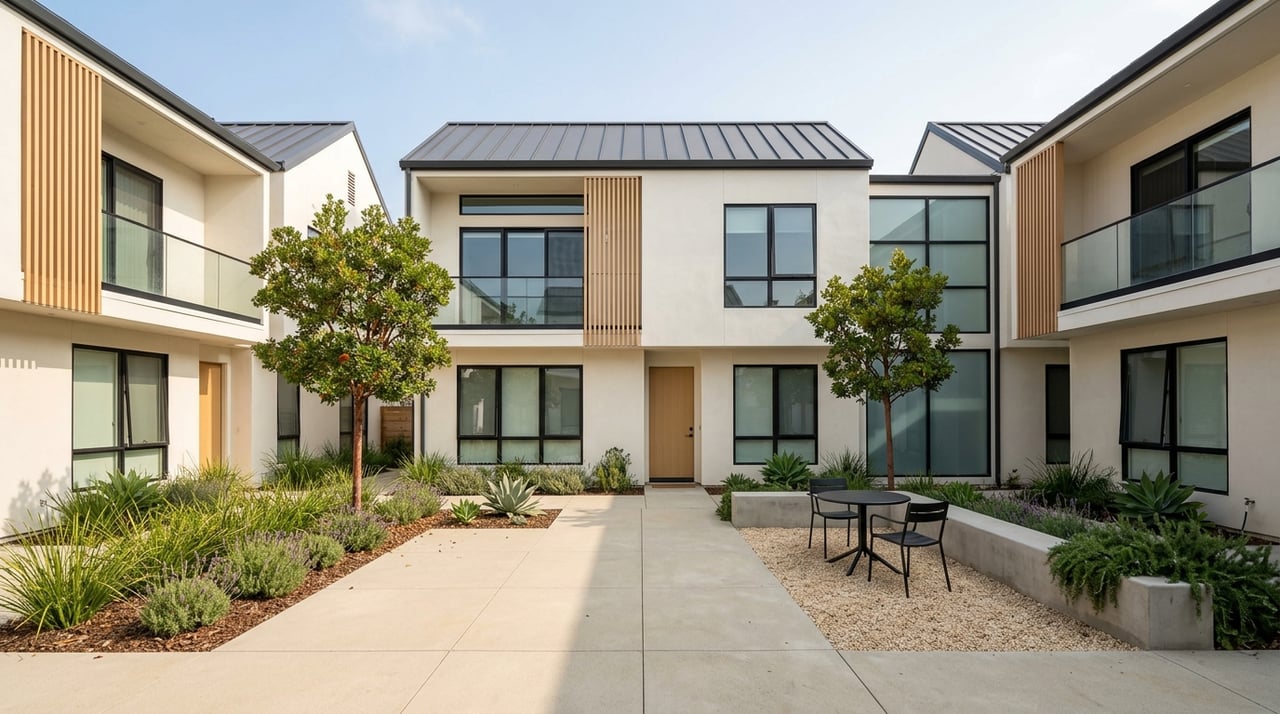
If Sunnyvale feels out of reach, condos and townhomes may be the option that keeps you in the market without giving up convenience. In a city where homes move fast and prices stay high, many busy buyers want a home that is easier to manage and closer to work, transit, and daily essentials. The good news is that Sunnyvale offers a meaningful middle ground between apartment living and the cost of a detached house. Let’s dive in.
Why condos and townhomes matter
Sunnyvale is a competitive market by almost any measure. Recent city data shows homes averaging four or more offers and selling in about 11 days, with a citywide median sale price around $1.79 million.
That makes the condo and townhome segment especially important for buyers who want to stay local. Current Sunnyvale listings show about 84 condos at a median listing price of $880,000 and 53 townhouses at a median listing price of $1.4 million.
For added perspective, a recent median single-family residence sale price in Sunnyvale was about $2.854 million. That means current condo asking prices sit far below the detached home benchmark, and townhomes also come in at a lower price band. It is not a perfect apples-to-apples comparison, but it helps show why this segment gets so much attention.
Why busy buyers like Sunnyvale
For many buyers, the appeal is simple: less maintenance and more access. A condo or townhome can put you closer to Silicon Valley job centers, downtown Sunnyvale, and public transit without requiring the budget that a detached home often demands.
Sunnyvale is also set up in a way that supports a more convenient routine. Redfin rates the city as somewhat walkable, with a Walk Score of 60, a Transit Score of 40, and a Bike Score of 78.
That mix matters if you want to cut down on drive time and daily friction. Caltrain’s Sunnyvale station connects with VTA 20, 21, 53, 55, and Rapid 523, which gives commuters more flexibility during the week.
Downtown adds convenience
Downtown Sunnyvale is a major part of the condo and townhome lifestyle. The city describes downtown as an approximately 150-acre mixed-use district that includes Historic Murphy Avenue, Cityline, Plaza Del Sol, and Redwood Square.
Murphy Avenue is known as a dining and entertainment destination, and the city is converting it into a pedestrian-only mall. Caltrain’s downtown Sunnyvale station also empties onto Murphy Avenue, which strengthens the appeal of living nearby.
If your goal is to spend less time in the car and more time with a simple routine, that kind of setup can be a real advantage. You may be able to live closer to restaurants, gathering spaces, transit, and everyday services while keeping home upkeep more manageable.
What lifestyle tradeoffs to expect
Condo and townhome living usually works best when you value convenience over lot size. In practical terms, that often means fewer exterior chores, easier lock-and-leave living, and less time spent maintaining a large yard.
The main tradeoff is private outdoor space. Compared with a detached home, you will usually have less of it.
That said, common-interest developments in California often include shared amenities and facilities, and some homes may also include exclusive-use areas like patios, driveways, or parking spaces. The exact setup depends on the legal structure and governing documents for the property.
Shared amenities can fill the gap
Sunnyvale’s park system helps support this smaller-footprint lifestyle. The city reports 772 acres of parks and open space, along with amenities such as playgrounds, dog parks, BBQ sites, swimming pools, tennis courts, trails, gyms, and community centers.
That means a smaller home does not automatically mean fewer recreation options nearby. For many buyers, access to community amenities can offset the lack of a large private yard.
On-site amenities are also common in Sunnyvale condo communities. Current listings often show features like pools, spas, clubhouses, greenbelt areas, and walking paths.
Condo vs. townhome in California
This is one of the most important points for buyers to understand. In California, “townhome” describes a style of home, not a legal ownership type.
According to California Department of Real Estate guidance, a townhouse may legally be a condominium, a planned development, or another kind of common-interest structure. That means you should not assume the ownership setup based only on the listing label.
Why does that matter? Because the legal structure affects what you own, what the HOA controls, what maintenance is shared, and which rules apply.
How HOAs work in Sunnyvale purchases
If you buy in a common-interest development, HOA membership is automatic. California guidance explains that homeowners associations make and enforce rules for these communities, and they are usually run by a board of directors.
Many associations also hire a professional management company to handle day-to-day operations. For you as a buyer, that means the HOA is not just a background detail. It is part of how ownership works.
Monthly dues may help fund shared amenities, exterior maintenance, and reserves. At the same time, HOAs can also levy assessments, including special assessments for major repairs or unexpected expenses.
HOA documents to review closely
Before you commit to a Sunnyvale condo or townhome, take the HOA package seriously. Key documents typically include:
- CC&Rs
- bylaws
- budget
- reserve information
- financial disclosures
These records can tell you a lot about how the community is run and whether future costs may be coming. California guidance notes that association budgets include reserve-related information, and annual financial reports are also part of the disclosure picture.
Rules that can affect daily life
HOA rules are often broader than buyers expect. California consumer guidance says they may address items like parking, balconies and decks, landscaping, nuisance issues, and other community-related matters.
For a busy buyer, those rules can shape daily life more than you might think. It is smart to review policies on rentals, pets, parking, balcony use, EV charging, and any pending or anticipated special assessments.
This is one reason total monthly cost matters more than mortgage payment alone. The better question is: what will ownership actually feel like each month, both financially and practically?
Who this lifestyle fits best
Sunnyvale condos and townhomes often make the most sense if you want:
- proximity to Silicon Valley employers
- access to Caltrain and VTA connections
- a lower-maintenance home base
- shared amenities instead of a large yard
- a price point usually below detached homes
This can be a strong fit for relocation buyers, first-time move-up buyers, and households that care more about convenience than square footage outside. It can also suit buyers who travel often or simply do not want the upkeep that comes with a larger property.
Questions to answer early
Before you fall in love with a specific listing, try to answer a few practical questions early in the process:
- Is the property legally a condo, a planned development, or another type of common-interest development?
- What do the HOA dues cover?
- What is not covered by the HOA dues?
- Are reserves healthy, or are there concerns about future special assessments?
- Are there rules about rentals, pets, parking, balcony use, or occupancy?
- How close is the home to downtown Sunnyvale, Caltrain, or VTA connections?
In Sunnyvale, that last point can make a real difference in your day-to-day experience. A home near downtown and transit may support a much easier routine than one that requires more driving for the same activities.
A smart path into Sunnyvale
Condo and townhome living in Sunnyvale is not the right fit for every buyer, but it can be a smart one for the right buyer. If you want easier upkeep, better access to transit and downtown, and a lower price point than many detached homes, this segment deserves a close look.
In a fast-moving market, clarity matters. When you understand the ownership structure, the HOA obligations, and the lifestyle tradeoffs, you can make a decision that fits both your budget and your routine.
If you are comparing Sunnyvale condos and townhomes and want practical guidance on how to evaluate the options, The Sidhu Team can help you navigate the details with a clear, local perspective.
FAQs
What makes Sunnyvale condos attractive for busy buyers?
- Sunnyvale condos can offer lower-maintenance living, access to shared amenities, and a lower price point than many detached homes while keeping you close to transit, downtown, and Silicon Valley job centers.
What should buyers know about Sunnyvale townhome ownership?
- In California, a townhome is a home style rather than a legal ownership type, so you should confirm whether the property is legally a condo, planned development, or another common-interest structure.
What do HOA dues usually cover in Sunnyvale condo communities?
- HOA dues may help fund shared amenities, exterior maintenance, and reserves, but coverage varies by community, so you should review the budget and governing documents carefully.
How competitive is the Sunnyvale housing market for condo buyers?
- Sunnyvale remains competitive overall, with homes averaging four or more offers and selling in about 11 days, which is one reason buyers benefit from being clear on budget, priorities, and ownership terms early.
How does downtown Sunnyvale affect condo and townhome living?
- Downtown Sunnyvale adds convenience through its mixed-use setting, Murphy Avenue dining and entertainment, and Caltrain access with VTA connections, which can support a more efficient daily routine.
What tradeoff should buyers expect with Sunnyvale condos and townhomes?
- The most common tradeoff is less private outdoor space than a detached home, although many communities balance that with shared amenities and nearby parks and recreation facilities.